




































Skip to content Start from ₹499/year for your first year
Contact us
Nothing fits?
Build a custom pack

Pick modules, wire your own actions and automations. Live in two weeks.

  • Modules The screens your trade needs, switched on.
  • Your words Customers, orders and bills called what you call them.
  • Automations Reminders and follow-ups that run by themselves.
For example
Laundry & dry cleaning
Order Laundry ticket
Talk to us about yours Browse all 32 packs →
ERP packs
Classes & coaching Corporate training Schools & colleges Clinics Diagnostic lab / pathology Vet clinic & pet shop Contractors & site projects Event & wedding planner Gym & coaching Professional practice Property broker Rental & hire Repairs & field service Salon & spa Security & manpower agency Services & appointments Travel agency & tour operator Website Bakery & sweet shop Caterer & tiffin service E-commerce Hotel / guest house PG & student housing Restaurant Shops & counters Association & club Exporter Farmer producer organisation Housing society & RWA Manufacturing Trusts & non-profits Wholesale & building materials
Modules Pricing Desktop & mobile apps Documentation Blog Partners About
Contact us Sign in
Theme
Product · 2 min read

Why we refuse to let you edit a module's internals

The unpopular design decision that keeps upgrades boring - and our support queue short.

2 July 2026
Why we refuse to let you edit a module's internals

It is the objection we hear on roughly a third of first calls, and it is a fair one: if the modules are fixed, what happens when our process is different?

The short answer

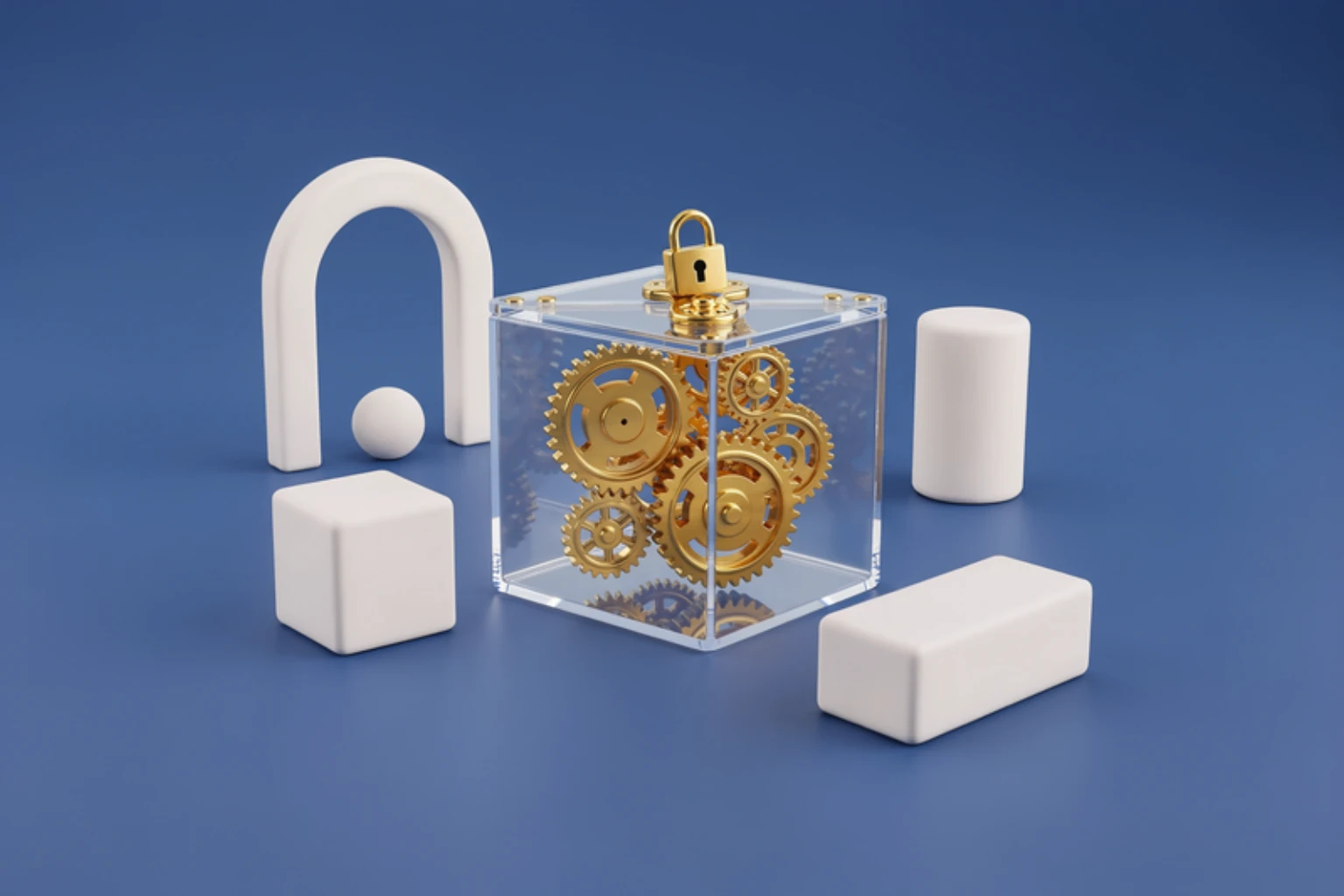
Modules are fixed. Packs are not.

You choose which modules make up your pack. You rename every field to your vocabulary. You decide who approves what, and above what threshold. You write as many automations as you like, and they can call any action in any module you have enabled. All of that is yours.

What you cannot do is change what happens inside a module - how stock is issued, how tax is computed, how an invoice is numbered.

Why that line, and not somewhere more generous

Because every line further out costs you an upgrade.

A forked module cannot take a patch. A business running a forked module is running a version of the software nobody else has, which means nobody else has found its bugs. Within two years the fork is load-bearing, the person who wrote it has left, and the upgrade that would fix the thing you are complaining about is a project rather than a Tuesday.

Our support queue is short for exactly one reason: every customer is running the same code.

What we do when a pack genuinely does not fit

About one enquiry in nine needs something no pack can do. We build a custom pack - the same unmodified modules, assembled differently, with new actions and automations written around them - for a fixed fee. Or we say so on the first call and suggest someone else. Both of those are better outcomes than a fork.

Architecture Upgrades

Keep reading

Designing for a receptionist who has 40 seconds per patient
Product · 2 min

Designing for a receptionist who has 40 seconds per patient

Why "we'll customise it later" is the most expensive sentence in ERP
Migrations · 4 min

Why "we'll customise it later" is the most expensive sentence in ERP

The seven automations every clinic should switch on in week one
Automation · 2 min

The seven automations every clinic should switch on in week one